610 CE 13 BH
Iqra
The Quran’s revelation begins in 610 with the command to read or recite: Iqra. Prophetic inheritance passes from generation to generation through oral tradition and memorisation, preserving the Quran and the knowledge of Islam.

610 CE 13 BH
The Quran’s revelation begins in 610 with the command to read or recite: Iqra. Prophetic inheritance passes from generation to generation through oral tradition and memorisation, preserving the Quran and the knowledge of Islam.
c. 650 CE 30 AH
Uthman ibn Affan commissions standard copies of the Quran, already preserved through writing and memorisation. Copies are sent to Muslim communities, strengthening its transmission across generations. An early Quran manuscript preserved at Topkapı Palace in Istanbul is traditionally attributed to Uthman.
c. 700 CE 80 AH
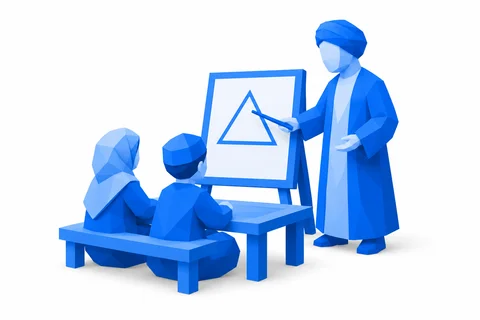
Kuttab schools develop during Islam’s first century, often beside mosques. Children learn to memorise and recite the Quran as they begin their education. These schools extend the teaching carried through mosque learning circles, helping Islamic knowledge pass from teachers to new generations.
c. 750 CE 132 AH
Charitable endowments grow as a way to support public services. Income from dedicated property sustains schools and libraries across generations. Teachers can draw on lasting support for their work, while students receive assistance under the terms set by each endowment.
c. 780 CE 163 AH
Sibawayh’s Al-Kitab gives Arabic grammar a lasting framework. Drawing on the teaching of Al-Khalil ibn Ahmad, it explains patterns in the language through detailed examples. Later scholars build on its methods, helping teachers show how words and sentences work.
c. 794 CE 178 AH
Paper mills operate in Baghdad by 794–795. As local production grows, books become easier to produce and circulate. Scholars can record their work, while students copy lessons and carry knowledge beyond the place where they first learned it.
c. 800 CE 184 AH
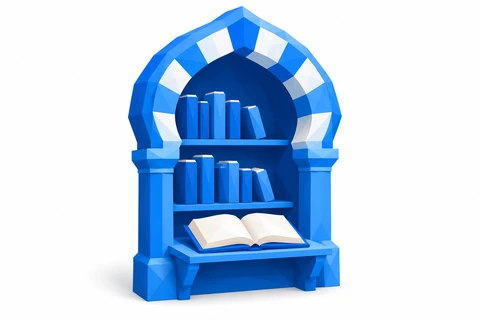
In Abbasid Baghdad, Bayt al-Hikmah preserves books under caliphal patronage. Its library belongs to a wider culture of scholarship, where inherited works are studied and translated. Collections give scholars a lasting foundation for developing and sharing knowledge.
c. 800 CE 184 AH
In Abbasid Baghdad, scholars translate works on medicine and other sciences into Arabic. Patrons support translators whose work crosses languages and communities. Teachers gain access to a wider body of knowledge, giving students texts they can study and question.
Before 820 CE Before 204 AH
Imam al-Shafi‘i’s Al-Risala becomes a foundational work of Islamic jurisprudence. It explains how scholars interpret the Quran and Sunnah and reason about legal questions. Its systematic approach helps students study the principles behind a ruling, shaping the discipline of usul al-fiqh.
c. 825 CE 210 AH
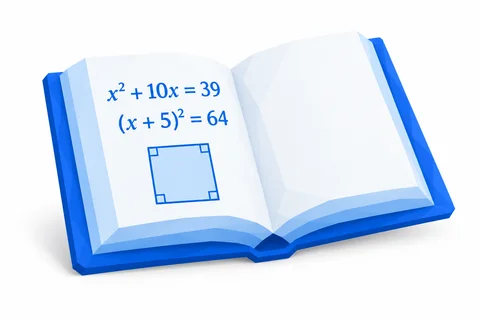
Al-Khwarizmi explains how to solve equations in his book on algebra. Geometric demonstrations help readers follow the reasoning. His methods give teachers a shared foundation for showing how mathematics can solve practical problems.
c. 846 CE 232 AH
Imam al-Bukhari compiles his Sahih, preserving the teachings of Prophet Muhammad. Its reports record the chains through which hadith reach the compiler. Scholars study and teach the collection across generations, keeping the names of transmitters connected to the knowledge they carry.
c. 850 CE 236 AH
Ibn Sahnun writes Adab al-Mu‘allimin about the responsibilities of a teacher. His work examines how children should be taught and how teachers should conduct themselves. The everyday work of education becomes a subject that scholars can study and pass on.
859 CE 245 AH
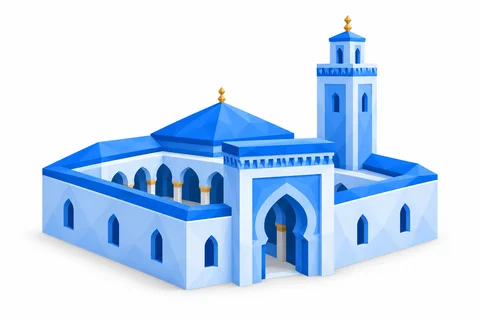
Fatima al-Fihri founds Al-Qarawiyyin in Fez in 859. Scholarship grows around the mosque, creating an enduring centre of Islamic learning. Teachers and students carry its knowledge across generations, contributing to the rich scholarly traditions of the Muslim world.
877–918 CE 264–306 AH
Al-Battani records observations of the sky and refines astronomical calculations. His tables explain methods that later scholars can follow and use. By connecting careful measurement with mathematical reasoning, his work gives teachers a way to show how evidence improves an explanation.
c. 900 CE 287 AH
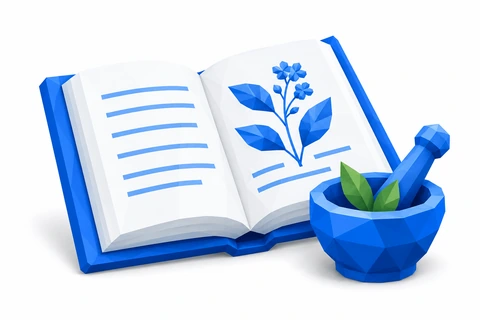
Al-Razi uses observations from medical practice to examine earlier explanations of disease. He records experiences that support or challenge what he reads. Students of medicine can learn from his reasoning as well as his conclusions, connecting the study of texts with care for patients.
c. 950 CE 339 AH
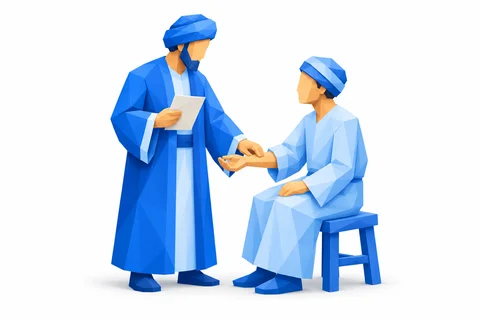
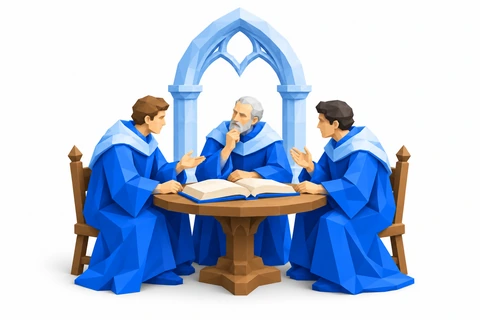
Ijazahs connect a learner’s authority to named teachers. By the tenth century, accounts of these permissions include legal scholarship. A teacher can authorize a student to carry knowledge forward, preserving a chain of learning and a personal responsibility for what is taught.
970 CE 359 AH
Al-Azhar is founded in Cairo in 970 and opens for prayer in 972. Its teaching circles grow into an enduring centre of Islamic scholarship, where students learn directly from scholars and carry that knowledge to their communities.
c. 970 CE 359 AH
Al-Hakam II develops a rich library in Córdoba during his reign. Its manuscripts bring together knowledge in several languages, supporting the city’s scholarly life. A collection gives teachers a place to return to earlier work and opens new paths for study.
Early 1000s CE Early 400s AH
Ibn al-Haytham brings experiments and mathematical reasoning together in his study of light and vision. The Book of Optics examines how light reaches the eye. Its methods give learners a way to test explanations and follow the evidence behind them.
c. 1025 CE 416 AH
Ibn Sina organizes medical knowledge in The Canon of Medicine. Its clear structure helps students work through a large body of learning. Translations carry the work across languages, and it becomes an influential reference for medical teaching over many centuries.
1067 CE 459 AH
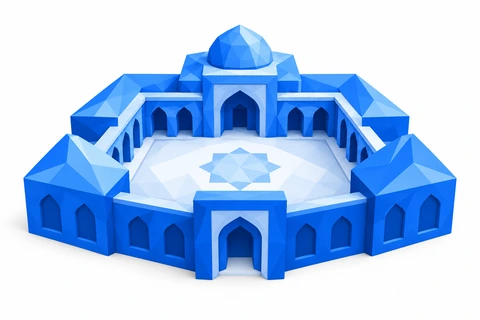
The Nizamiyya college in Baghdad opens in 1067 as part of Nizam al-Mulk’s wider network. Endowments support teaching and student life. Building on earlier madrasas, these colleges give scholars a lasting setting in which to teach Islamic law and train future teachers.
c. 1200 CE 597 AH
Medieval European universities develop degrees that mark a student’s progress within a community of scholars. Masters examine candidates through spoken argument and approve new teachers. A university credential records that recognition, linking a learner’s studies to an institution and its standards.
1231 CE 628 AH
Oxford’s masters are recognised as a universitas, a corporate community of scholars. Shared statutes help them govern academic life and uphold the university’s privileges. Collective governance gives teaching a durable home, with responsibilities that extend beyond an individual master.
c. 1450 CE 854 AH
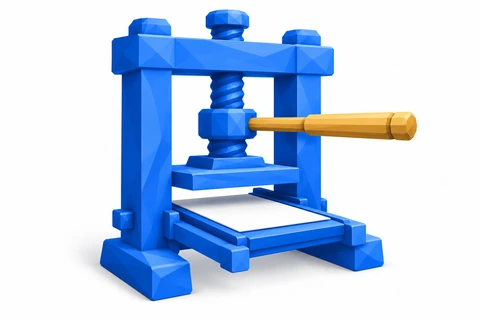
Gutenberg develops a printing press using movable metal type in Europe around 1450. As books become more widely available, teachers can work from shared texts and learners can revisit an explanation beyond the lesson.
1658 CE 1068 AH
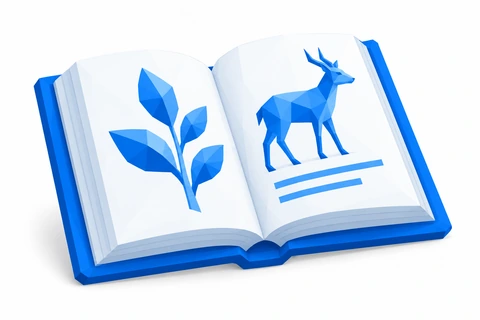
One of the first picture books for children, Orbis Pictus, brings words and images together on the page. Teachers can show what they mean, making unfamiliar ideas easier to understand.
1799 CE 1213 AH
A surviving timetable from Ayr Academy in Scotland sets out the subjects and daily hours for its August 1799 session. Scheduled lessons give teachers a shared rhythm for organising work and help pupils know what comes next.
1801 CE 1216 AH
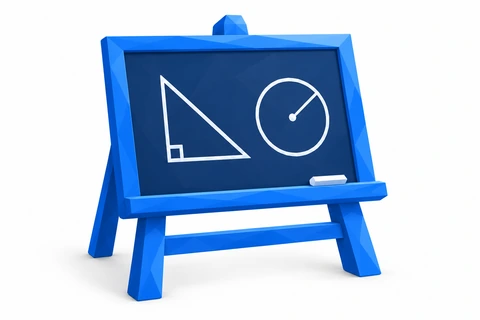
George Baron uses a blackboard to teach mathematics at West Point. A class can follow a problem as its teacher works through it, with earlier steps still visible while the explanation develops.
1827 CE 1242 AH
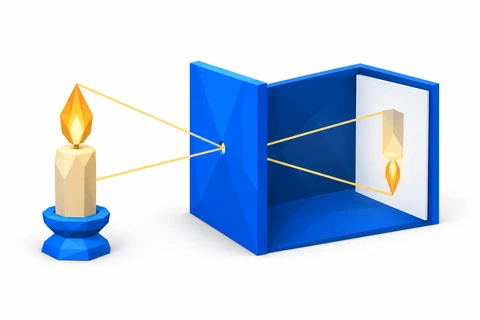
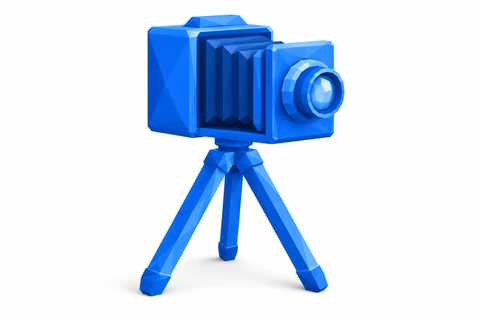
Niépce captures a view from his window in the earliest surviving camera photograph. Photography later lets teachers bring a distant place or a fleeting observation into a lesson for everyone to examine.
1829 CE 1245 AH
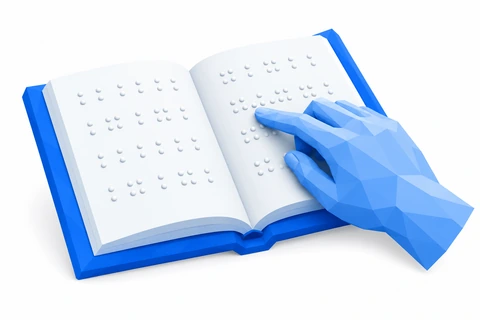
Louis Braille publishes his system for reading and writing by touch. Raised patterns let blind students read for themselves and put their own thoughts on the page. Access to written knowledge expands beyond sight.
1840 CE 1256 AH
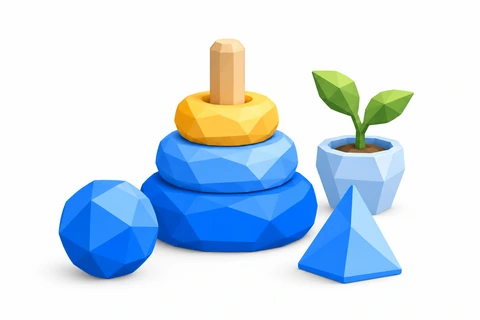
Friedrich Froebel names his approach kindergarten. Play becomes a deliberate part of early education, with teachers preparing activities that help young children learn through exploration.
1858 CE 1274 AH
Cambridge establishes its Local Examinations Syndicate to assess school learning. Common examinations give schools a shared reference for judging achievement. Teachers prepare pupils against published expectations, while learners gain qualifications that can be recognised beyond their own classroom.
1880 CE 1297 AH
England and Wales make school attendance compulsory for children aged five to ten. A place in the classroom becomes a legal expectation, bringing more children into regular contact with teachers and a shared course of learning.
1895 CE 1313 AH
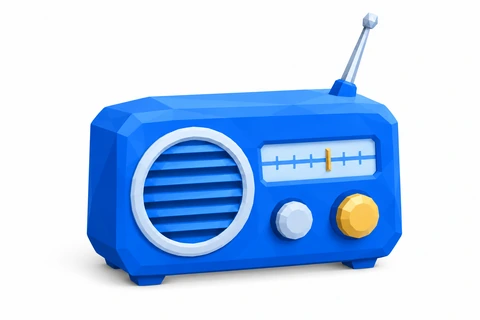
Marconi’s wireless experiments help open a path to broadcasting. School radio follows decades later, bringing distant voices into classrooms where teachers connect what pupils hear with the lesson in front of them.
1895 CE 1313 AH
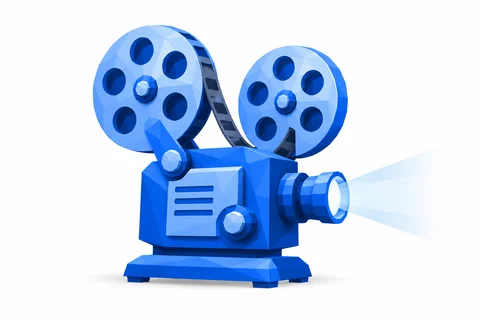
The Lumière brothers screen moving pictures for a paying audience in Paris. Film later gives educators a way to show a process unfolding, pausing the explanation around a scene that learners can examine together.
1907 CE 1324 AH
Maria Montessori opens the first Casa dei Bambini. Carefully prepared materials support children’s independent activity, while educators observe how each child learns and decide when guidance will help.
1926 CE 1344 AH
Baird demonstrates mechanical television. Educational broadcasting later carries lessons into homes and schools, extending an educator’s reach while classroom teachers help learners make sense of what they see.
1926 CE 1344 AH
The first SAT is given in 1926, adding a common test to university admissions. Standardized assessment later becomes an important part of how applicants are compared. Its growing influence raises questions for educators about what tests measure and how results should be used.
1948 CE 1368 AH
The United Nations adopts the Universal Declaration of Human Rights. Article 26 recognises everyone’s right to education and calls for free, compulsory elementary schooling. Access to learning becomes part of a shared international commitment to human dignity.
1960 CE 1379 AH
The University of Illinois launches PLATO, an early system for teaching through computers. Students work through interactive lessons and receive feedback at a terminal. Educators gain a new way to build practice around the material they teach.
1972 CE 1391 AH
HP introduces the HP-35 handheld scientific calculator. As calculators reach classrooms, educators can spend more time exploring mathematical reasoning and help learners understand the results of their calculations.
1977 CE 1397 AH
The Apple II helps bring personal computing to a wider audience. As computers reach schools, teachers gain a new space for guided practice and students can test ideas through programs they control.
1978 CE 1399 AH
Optical videodiscs reach consumers, storing video that can be replayed and explored. MIT and Harvard later use the format to share a collection of images of Islamic architecture. Educators can bring distant places into a lesson and study their details together.
1991 CE 1412 AH
Tim Berners-Lee announces the Web to the wider Internet. Teachers can publish and link resources across institutions, giving learners a way to follow an idea beyond the material available in one classroom.
1991 CE 1411 AH
SMART introduces its interactive whiteboard. Teachers can work through digital material on a surface the whole class can see, inviting learners to contribute directly to the explanation.
2005 CE 1426 AH
YouTube’s first upload begins a new chapter in video sharing. Educators later publish demonstrations and lectures that learners can replay, while teachers choose material that supports the needs of their class.
2010 CE 1431 AH
Apple introduces the iPad. A portable touchscreen brings reading and interactive material into the same space, leaving teachers to choose when a screen will help a learner understand.
2012 CE 1433 AH
MIT and Harvard launch edX with plans for free online courses. University educators can reach people beyond their campuses, carrying an organised course of study to learners with Internet access.
2020 CE 1441 AH
COVID-19 closes school buildings across the world. Teachers adapt lessons for home, using the channels their students can access. Keeping a connection with each learner becomes essential to continuing their education.
2022 CE 1444 AH
The Transformer architecture, introduced in 2017, lays the groundwork for modern language models. ChatGPT’s public launch in 2022 brings generative AI into everyday conversation. Educators can use it to explore ideas and prepare lessons, bringing their judgment to the answers it produces.
Today
You bring knowledge into someone else’s life. A lesson grows from your understanding of the subject and the learner in front of you. Ilmiya supports the work you do to help that person move forward.
Teaching depends on trust and a teacher’s understanding of each learner. These principles guide the decisions we make as we build Ilmiya.
A lesson matters when a learner begins to understand. We build tools that give educators more time and attention to help that happen.
Each learner brings a different history and needs different support. Ilmiya gives educators room to adapt as understanding develops, drawing on what they know about the students they teach.
Every learner deserves a chance to take part. We design for different abilities and school resources from the start, removing barriers to reading and interacting.
Learning depends on trust, especially when a child’s information is involved. We design for careful access and use of that information, with clear responsibilities that schools and families can understand.
A learner’s confidence and persistence matter alongside the progress a platform records. Ilmiya keeps the student at the center and supports the understanding that educators and families bring to their growth.
Tell us about your learners and the work you want more time for.
Loading Markdown…
Markdown could not load. or open the raw file.